
This is one of the major headaches all beginner air dry clay artists face. You cleaned the rolling pin well before starting to roll, but the god damn clay messes up the entire working space by sticking to your rolling pin.
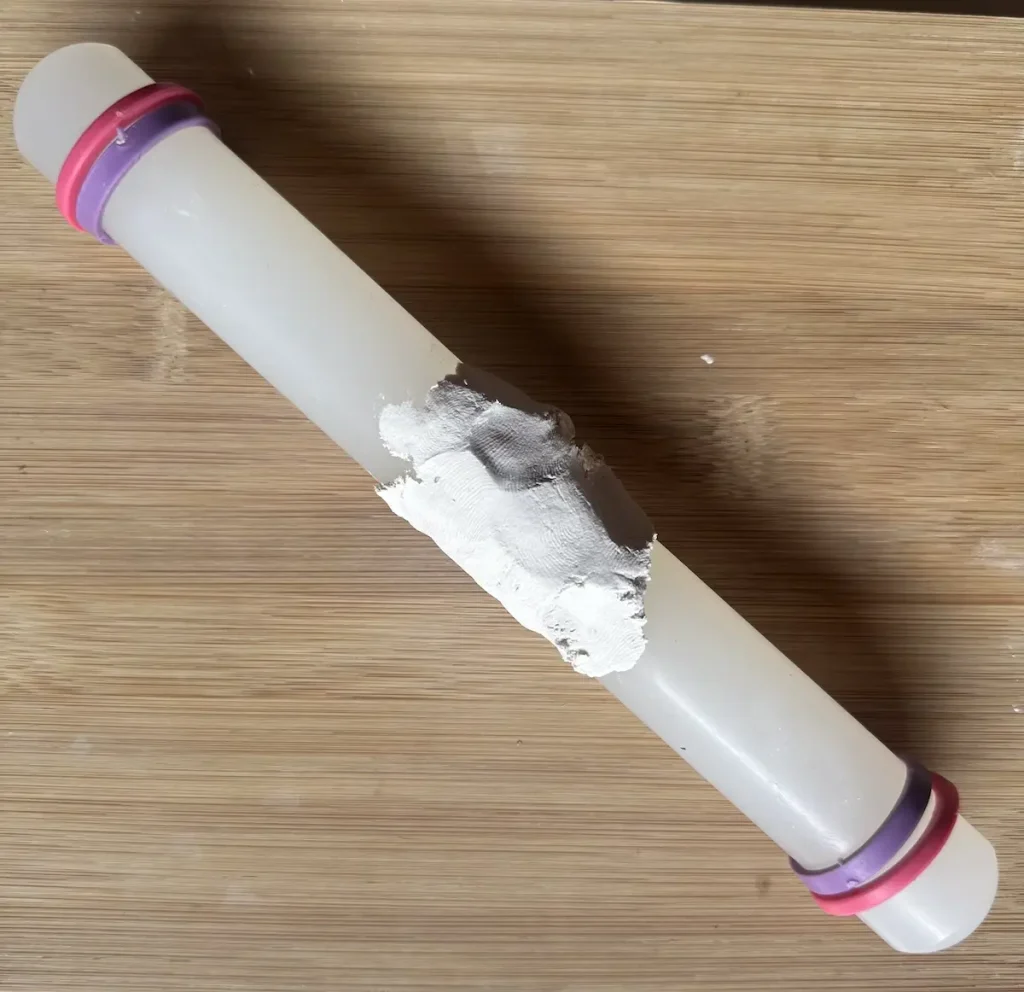
You changed the working mat to a silicone or PVC mat, which is great to work with air dry clay, but it still sticks. But have you thought of replacing your rolling pin? That might be the issue.
Have you used the wooden cooking rolling pin you use to make dough to roll air dry clay? Hmm, that might be the issue.
I have tried wooden, plastic, and acrylic rolling pins to stop the clay from sticking to them and finally found the perfect one. Now the headache is gone and my clay does not stick to it and does not mess up my working area.
Let me tell you how I did that and what I chose as a beginner clay artist like you.
Why is your air dry clay so sticky?
Air dry clay is a highly porous material with lots of moisture and binders, which keep the clay pliable and help to harden it properly as the clay dries. When rolling, the moisture squeezes out and attaches to any porous surface, which is why your air dry clay is so sticky. Basically, you need to use a rolling pin that is not porous.
Why wooden rolling pins are bad
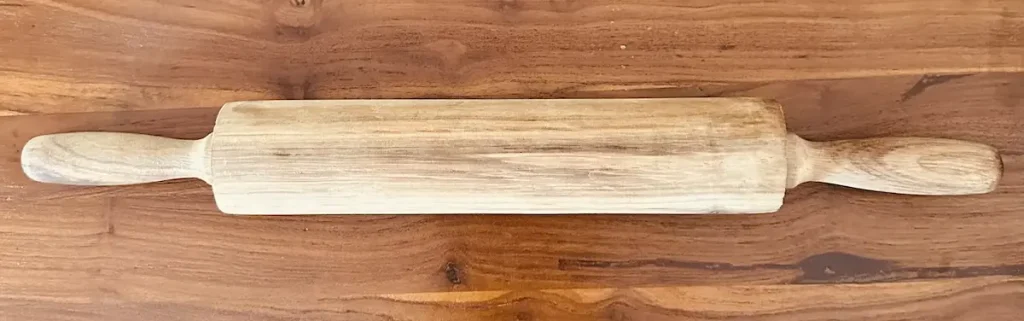
You can clearly see this happening when working with a wooden rolling pin. Wood is a highly porous material just like air dry clay. It basically acts like a sponge that sucks out water quickly.
So, when you roll a conditioned and kneaded air dry clay slab with a wooden rolling pin, it quickly sucks out all the moisture inside of the clay, leaving only the clay binders.
Due to the water absorption and leaving binders behind, they create a vacuum like seal between the clay and the rolling pin surface.
When you keep rolling and lifting the pin, the vacuum seal causes clay to stretch, crack and even tear apart. That’s what we call clay sticking to the rolling pin. Clay is basically making a bond with the rolling pin surface due to loss of its moisture.
So you need to find a rolling pin that does not suck out the moisture of air dry clay.
How to stop air dry clay from sticking to your rolling pin
During my first few air dry clay projects, I used a kitchen wooden rolling pin and experienced this issue. So I stopped using it and started following methods to stop clay from sticking.
Ditch the wooden rolling pin and switch to an acrylic rolling pin
As I told you earlier wooden rolling pin sucks out moisture from air dry clay and stick with it. Therefore, we need to try out rolling pins that are non porous and do not absorb moisture, which are,
- Acrylic rolling pin
- Stainless steel rolling pin
- PVC rolling pin
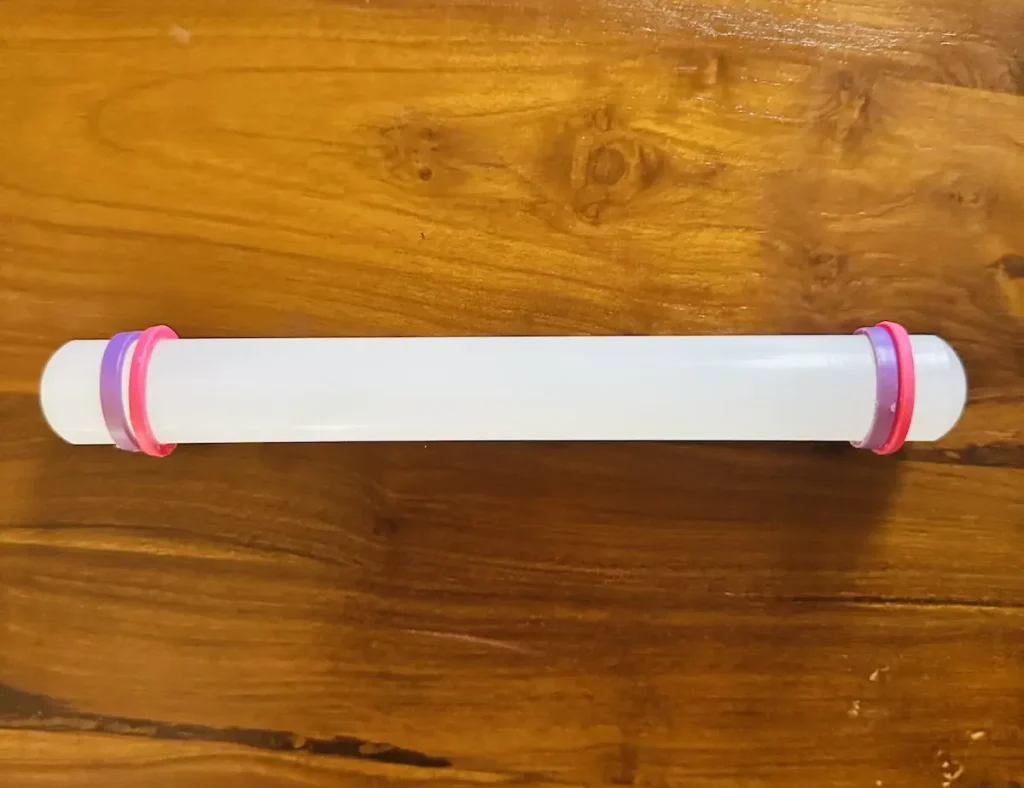
I use an acrylic rolling pin. It does not sucks out moisture from air dry clay and does not stick to the clay and gives a super smooth finish.
Acrylic rolling pins are easier to use and comes with detachable rubber or silicone rings to get an even thickness of the clay slab.
Most importantly, they are easier to clean. You just have to wash it and wipe it out.
Wrap the rolling pin with parchment paper
If you don’t have the budget to move to a different rolling pin or you really like to work with the wooden rolling pin, I have a solution for you.
Just don’t let the wooden surface come into contact with the air dry clay surface. You can do this by wrapping your wooden rolling pin with parchment paper before you start to roll out the clay slab.
Parchment paper works as a barrier and does not get wet due to the moisture of the wet clay and does not stick to the clay like regular paper.
It works as a barrier between the wood and clay.
You simply have to wrap the wooden rolling pin before you start rolling or place parchment paper over the wet clay slab and start rolling over it with the wooden rolling pin. Simple as that!
Use a dusting of cornstarch
Corstach can be used as a barrier between the clay surface and the rolling pin, avoiding clay from sticking to the rolling pin.
If you use a wooden rolling pin or any other pin that stick to the clay, lightly dust the surface with cornstarch.
But dont use too much cornstarch because they accelerate the drying speed of wet clay and leads to cracks on the clay slab.
Don’t use powder or talcum powder as a barrier because they contain harsh chemicals that can damage the air dry clay slab. One time I used powder and leaned that hard way.
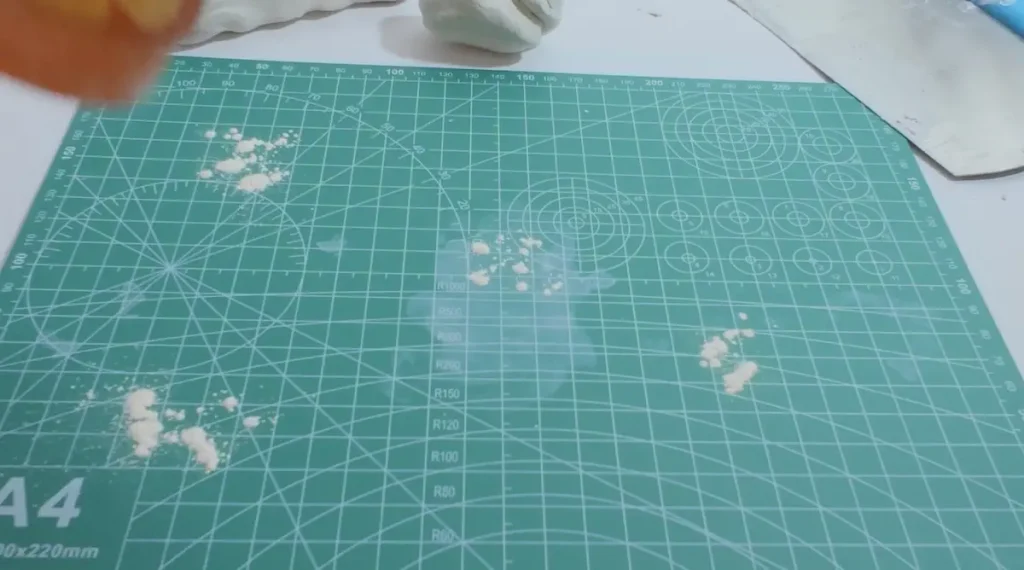
The plastic wrap barrier method
I already mentioned about this method. You can wrap the rolling pin with a plastic film, parchment paper or paper wax and start rolling. Or you can place plastic film, parchment paper or wax paper over the wet clay surface and roll. However, don’t let air dry clay come into contact with the rolling pin surface, which can lead to sticking.
Condition your clay first
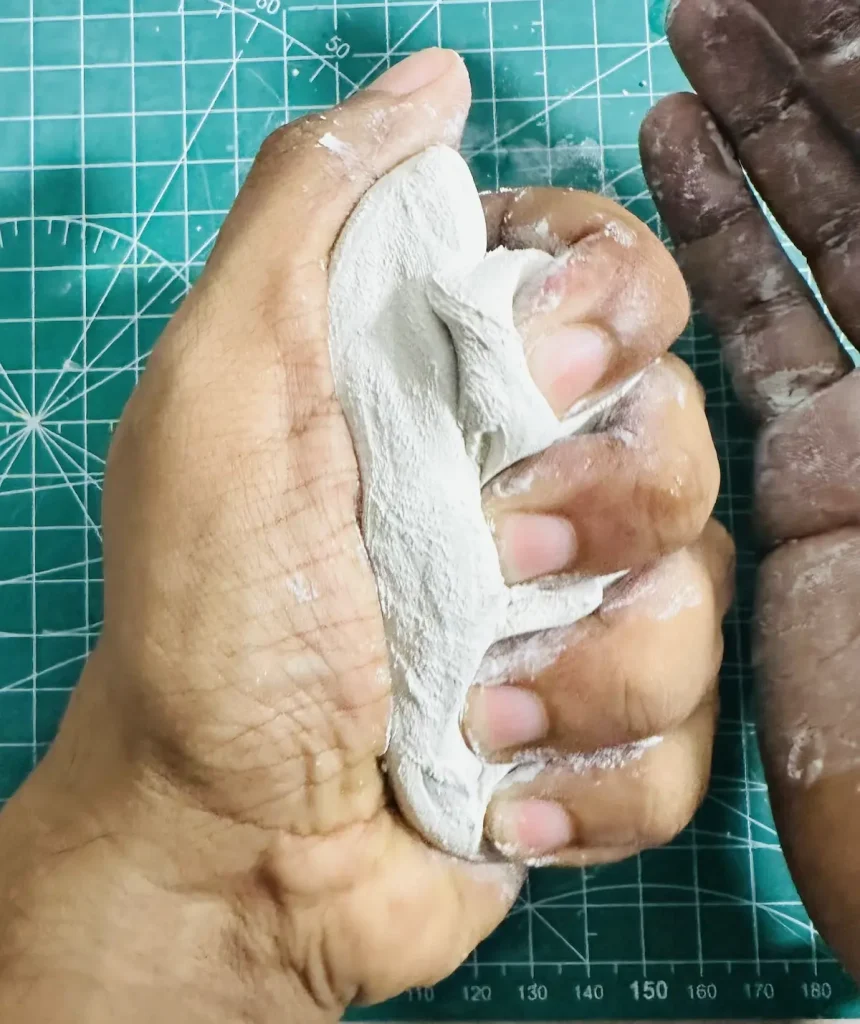
Conditioning and kneading the clay is must before you roll out the clay. Condition and knead the clay with a little bit of water and use pull, press and puch method to make the clay soft enough.
Kneading helps to spread the moisture evenly across all the layers of air dyr clay and it makes the rolling process easier, clay more smooth, pliable and stops the clay from sticking to the rolling pin.
Don’t forget your work surface
Even though you replaced your wooden rolling pin with a non porous, non sticky acrylic or stainless steel rolling pin, you may still experience the stickiness of the clay by seeing the clay sticking to your working table.
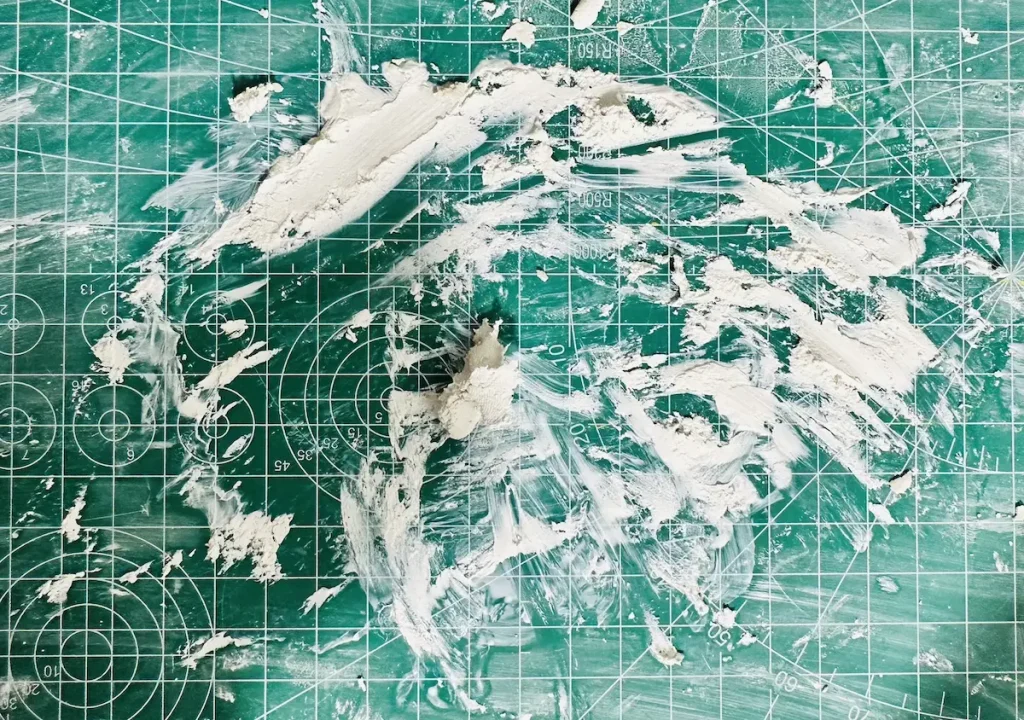
If your table is made of wood, sad to say Just like what happened with wooden rolling pin, it will suck out moisture from the clay and stick with it, making a vacuum like seal.
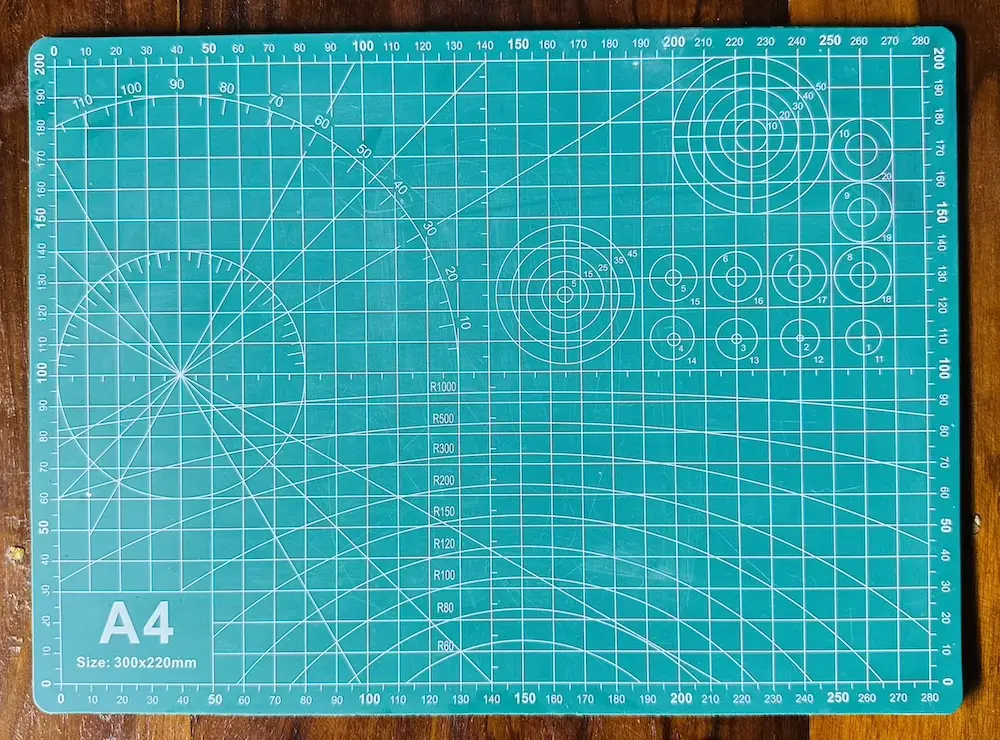
So, you need to change the working mat to stop clay from sticking to your surface. Silicone and PVC mat (what I use) are the best working layers for air dry clay to avoid it from sticking to the surface.
Simply lay the PVC or silicone mat over your wooden working table and start rolling the clay over it.
Final thoughts
Now you know exactly why your air dry clay sticks to the rolling pin and how to avoid that either by fixing it or by replacing the pin.
If you use a wooden one, use the parchment paper method and apply cornstarch before rolling. If you use a PVC or stainless one, you have nothing to worry about and just be careful not to let the clay stick to your mat. Happy making! Cheers! 🤟🏾