
You finally found a time to start a new air dry clay project. You pull out that leftover block of air dry clay you carefully stored a few months ago. You unwrap it and start kneading it. But oh my f**ing god, it does not behave as you want.
Instead of soft, smooth and pliable dough, it just breaks into tiny pieces, flakes or dust in your hands, leaving crumbly chunks all over your table.
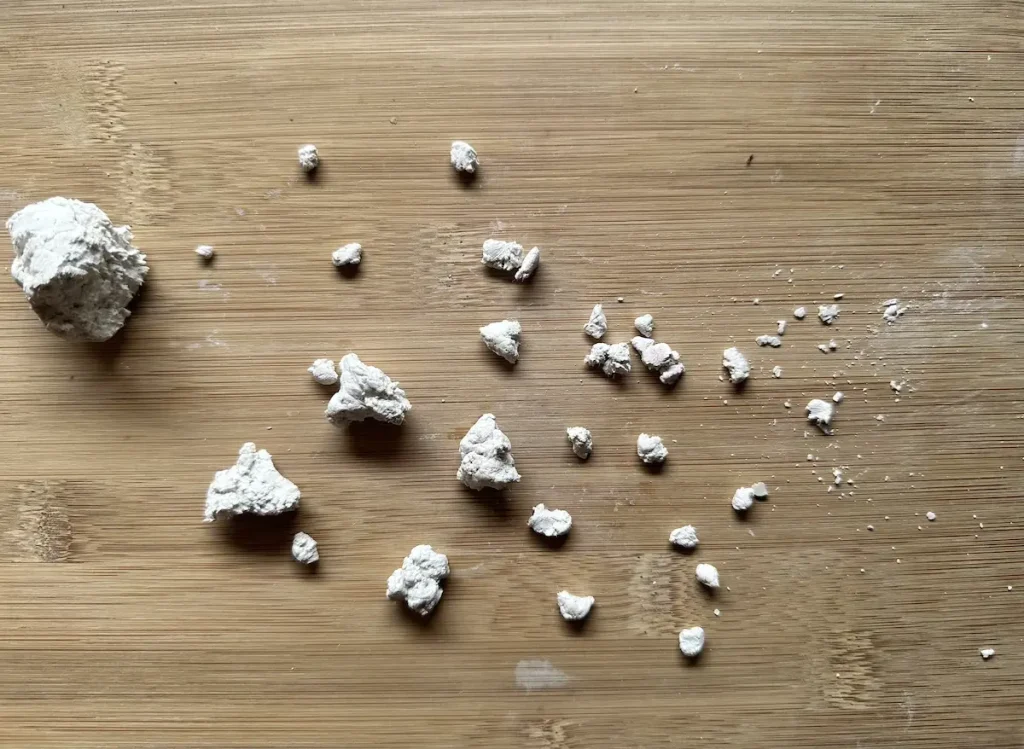
I have been there. First, I thought I was dealing with the cracking of air dry clay. But It wasn’t. This scenario is called the crumbling of air dry clay. Crumbling of air dry clay can happen when you are trying to use leftover air dry clay, as I mentioned earlier or even when you open a brand new package.
But don’t throw out that dried block of air dry clay. I’ve been there and threw some but later found out it was salvageable.
As a beginner air dry clay artist, let me tell you how I avoid my leftover air dry clay and freshly opened air dry clay from crumbling with simple and easy techniques.
Let’s dig in!
First, identify whether your air dry clay is crumbling or cracking
This is the most confusing part. People and even I didn’t know the difference between air dry clay crumbling and cracking because they look the same. But trust me, they are completely different scenarios.
In the simplest terms, cracking of air dry clay occurs due to too much water and crumbling occurs due to the lack of water and the failure of the binders inside.
This means you need to use only the right amount of water to survive from both cracking and crumbling of air dry clay.
Actually, cracking is what commonly happens in air dry clay.
Read: How to Prevent Air Dry Clay Trays from Cracking While Drying
When kneaded and smoothed out with too much water, the clay may crack as it dries due to the high water evaporation rate.
Cracking means splits or fissures on the clay surface and it happens due to faster drying of the outer surface of air dry clay compared to inner layers causing uneven shrinkage. Uneven shrinkage builds up tension between the layers of air dry clay and tears the surface apart. Mostly, the clay stays in one place when cracking, but when crumbling, clay breaks down into tiny pieces, flakes, or dust.
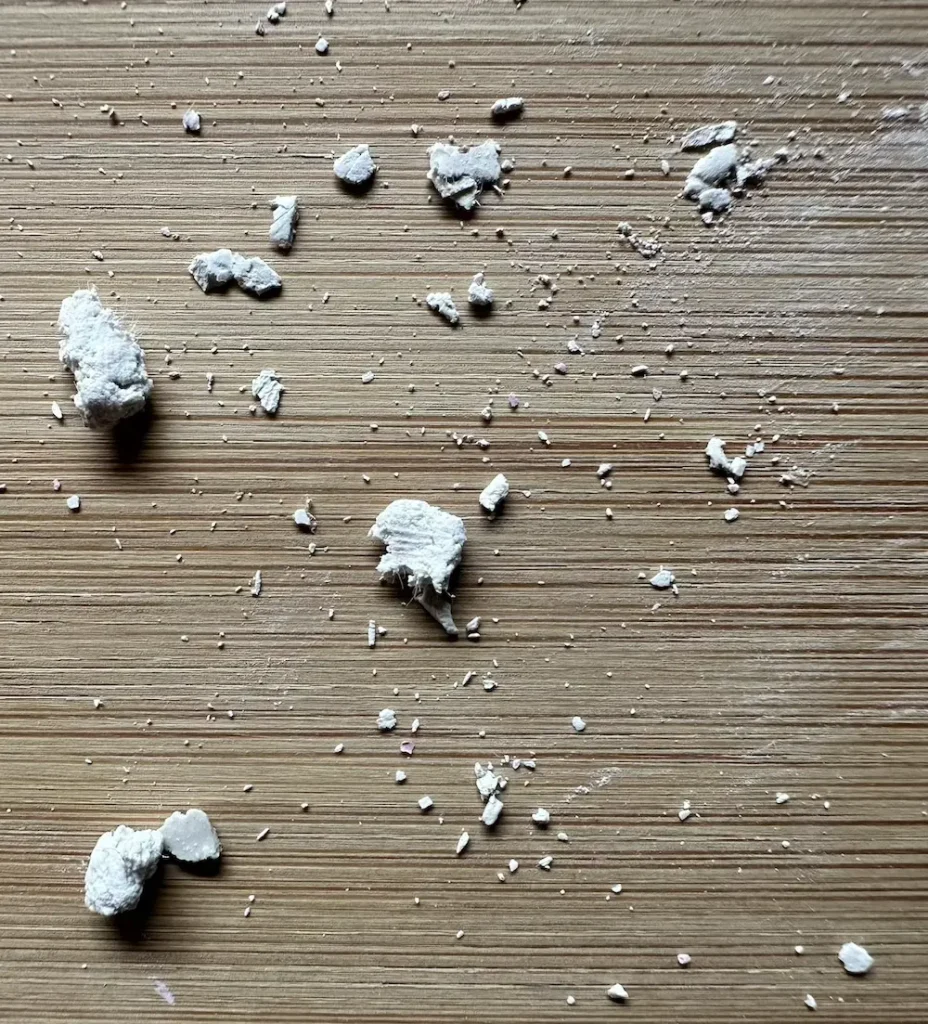
Ok, now let’s see why crumbling happens,
Why is my air dry clay crumbling?
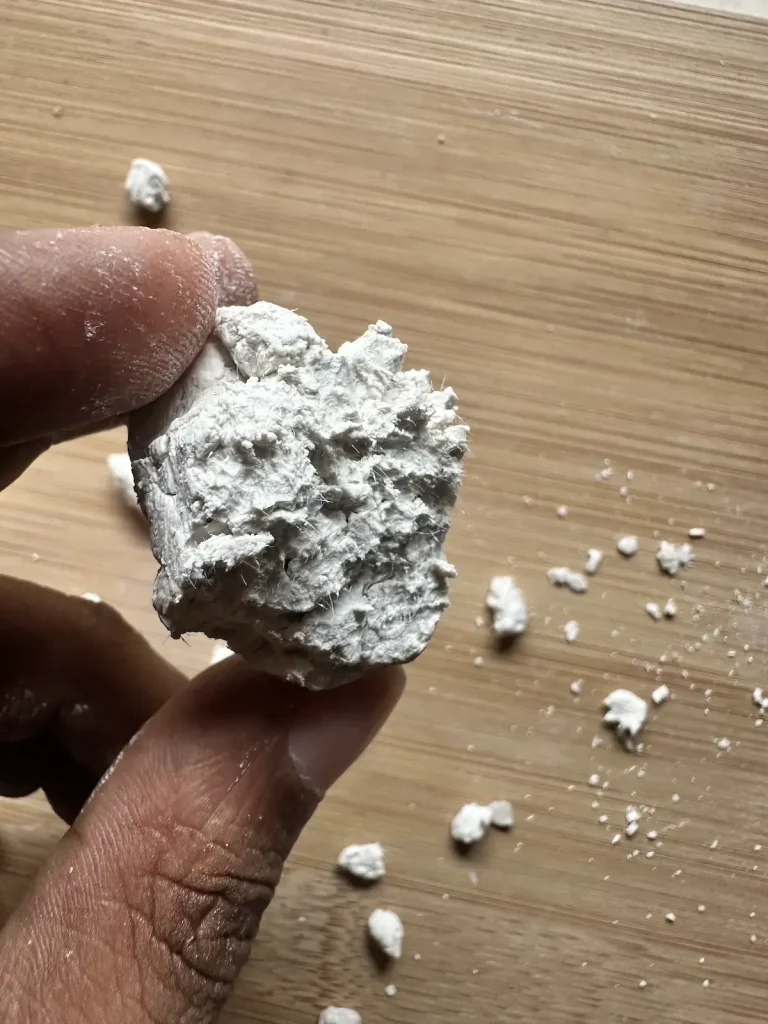
Air dry clay crumbles due to the lack of moisture and failure of the binders inside. Air dry clay is a highly porous material with lots of moisture inside, but when it loses its moisture, it breaks into small pieces, flakes, or dust particles.
So we need to find out exactly why it loses moisture.
Based on my experience and things I gathered, here are the main reasons why your air dry clay is crumbling,
- Lack of moisture when kneading and sculpting.
- Poor sealing and storing of the leftover air dry clay.
- Using a low quality, unreputed air dry clay product.
- Kneading and shaping the clay too long.
- Not kneading the clay properly.
Don’t panic, I’ll explain each of the above reasons one by one in simple terms.
Lack of moisture when kneading and sculpting
Using too much water leads air dry clay cracking, and lack of water crumbles the clay. It’s a double-edged sword situation.
As soon as you take a fresh piece of air dry clay from the newly opened package, condition and knead it by tapping a little bit of water on the clay surface. Then knead the clay well until it becomes soft and pliable.
But if you do not use water when kneading or use too little water, which is not enough compared to the clay piece you took, the clay won’t be soft enough when kneading, instead, it will start to break down into tiny pieces, which is called crumbling of the clay.
Same scenario when sculpting the clay.
If you’re making a tiny hand, flower pellets, or a decoration item with air dry clay, use enough amount of water to keep the clay soft while sculpting and shaping. Lack of moisture starts crumbling in sharp corners, curves, edges and your sculpt will eventually break.
Poor sealing and storing of the leftover air dry clay
I know how tired you feel after working hours making a clay project. But don’t forget to skip sealing and storing your leftover or unused air dry clay chunks.
Otherwise, the clay will get exposed to the air and lose a lot of moisture over time and it will start to break into pieces in other words, it will crumble.
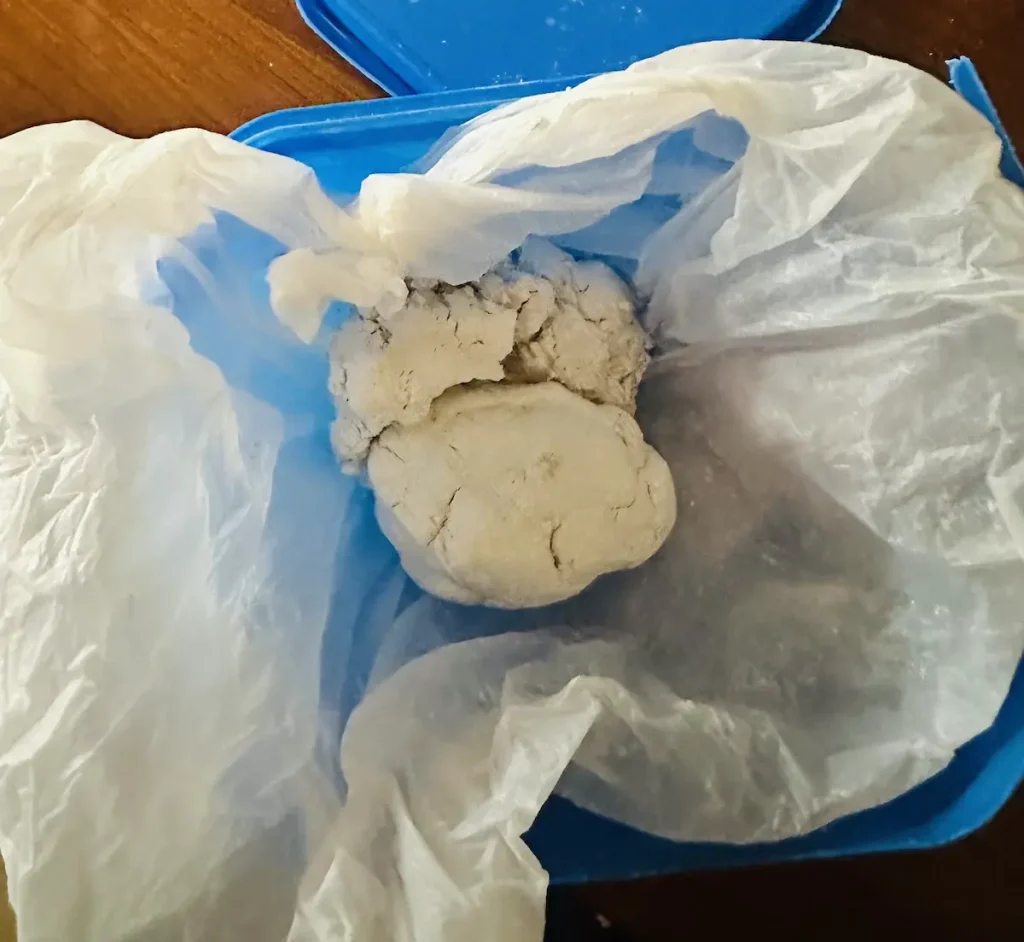
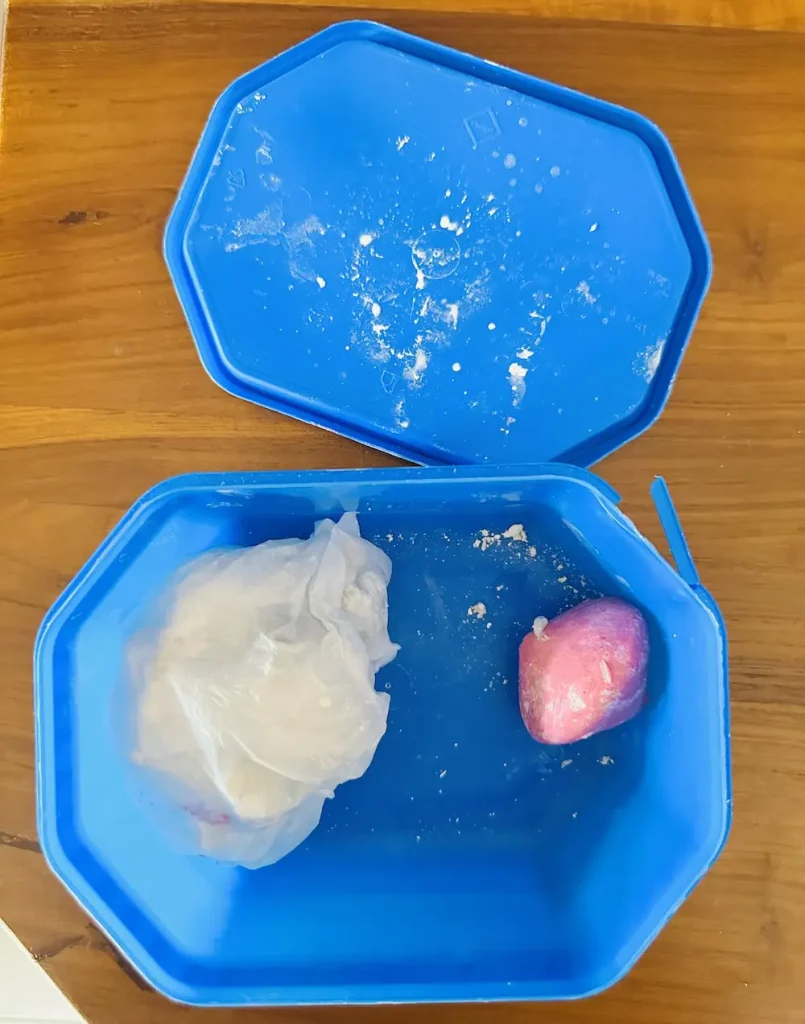
After opening the package and taking the clay amount you want, place the leftover or unused clay inside a plastic bag, polythene cling film and airtight it by wrapping it tightly. Then place the sealed package in an airtight plastic or Tupperware-type container.
This way you can keep your air dry clay fresh as new for months or even years because moisture inside has nowhere to go or evaporate to the outside.
Using a low quality, unreputed air dry clay product
Usually I use Mont Marte, DAS, or other reputable air dyr clay brands when making air dry clay projects, including trinket trays and home decor items.
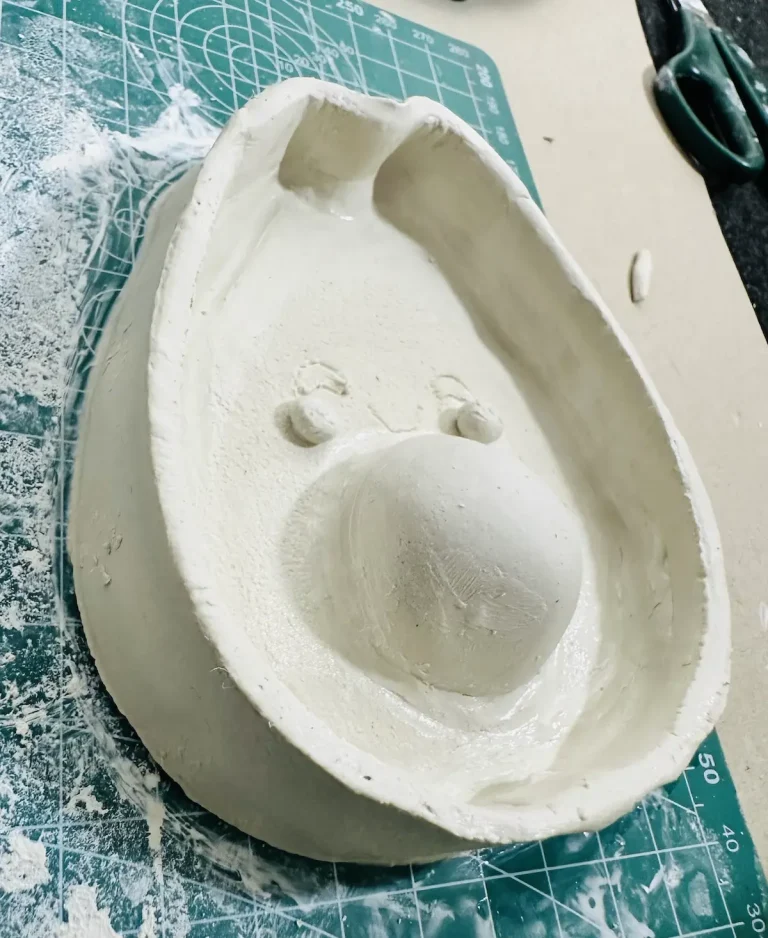
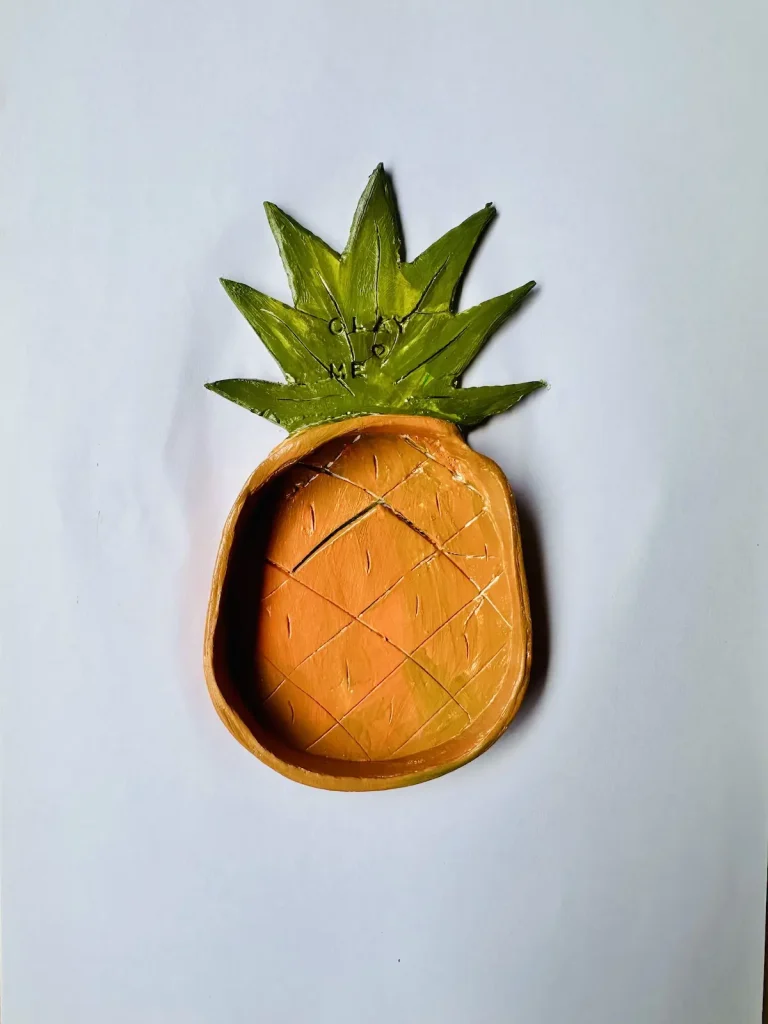
But one time all of those were out of stock and I had to buy an unreputable cheap air dry clay brand from an unknown manufacturer and learned the lesson the hard way when making my pineapple trinket tray project.
The clay started to crumble as soon as I started to condition and knead after even applying a little bit of water.
Clay was started to get messy and ruined my workspace with all the tiny clay pieces, dust and flakes.
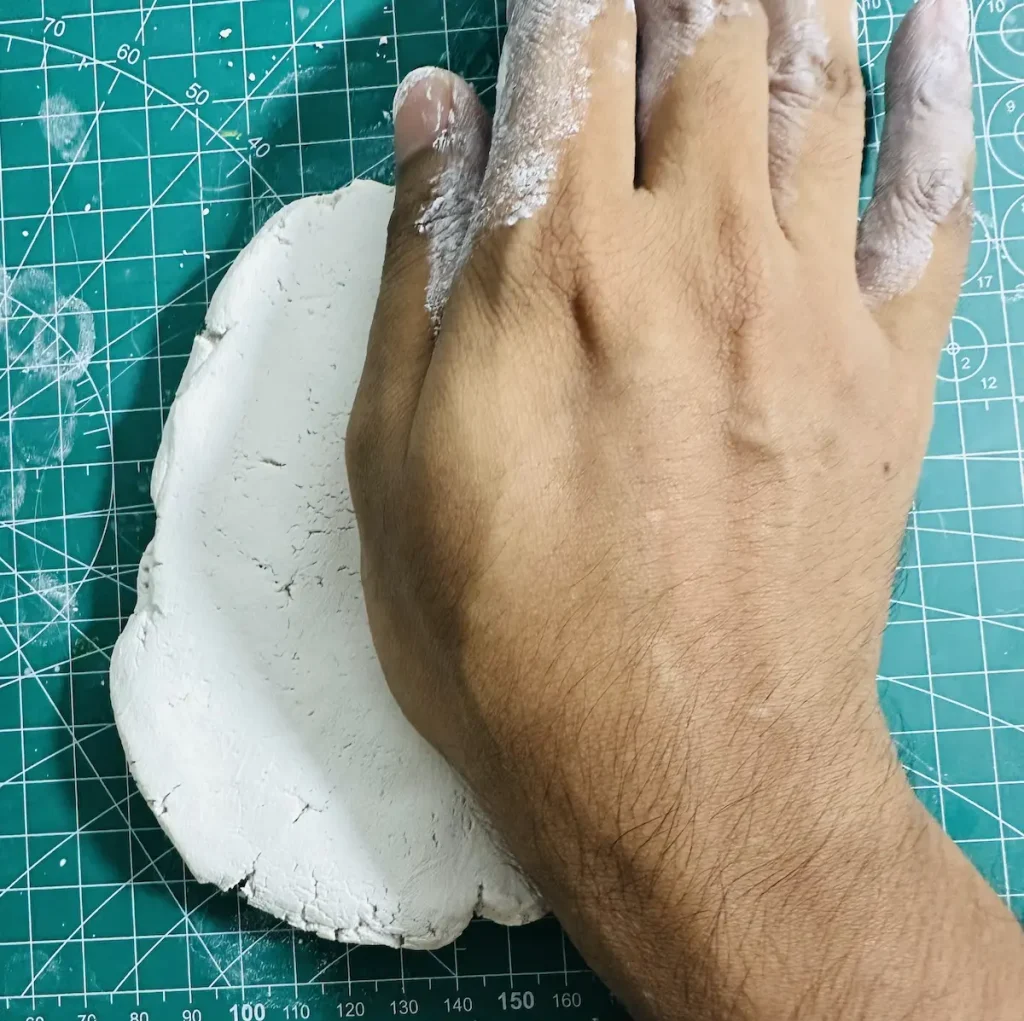
First, I thought the problem was my mistake and tried again with a fresh clay piece with a different amount of water but the results were the same. Hours of my work were ruined because even after kneading the clay after several attempts, it started to break into pieces while rolling.
I couldn’t even finish making the project and found out the issue in the binders of the clay.
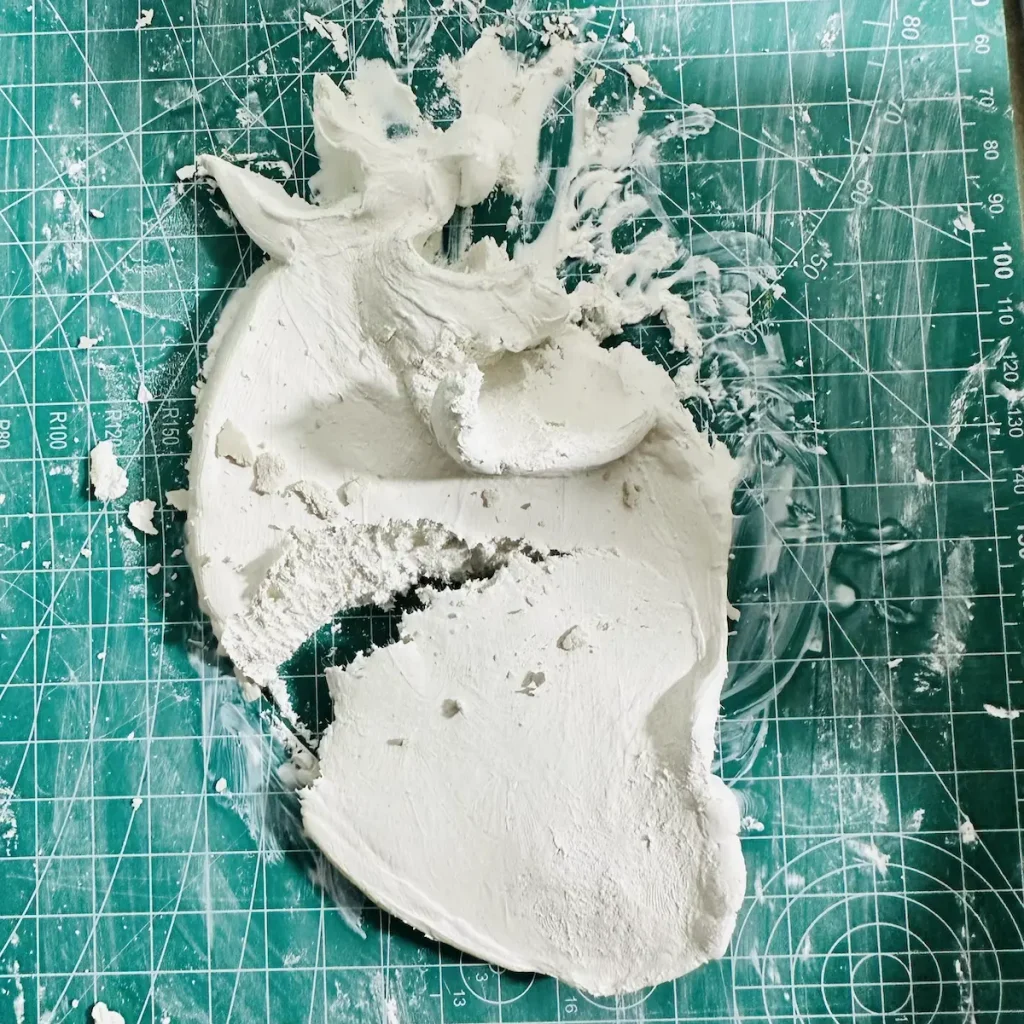
Sometimes it’s not always moisture that causes the crumbling, it may be a failure of clay binders.
When clay binders do not bind well with each other, the clay will start to break into pieces. You cannot control it because it is a manufacturing error.
I even did a comparison between that unreputed air dry clay brand vs Mont Marte, which is a reputed one based on my personal experience.
After several days, I tried to make the same pineapple trinket tray with Mont Marte air dry clay and it came out so good. I followed the same amount of water and the same techniques and the results were much better. This is why you should read reviews of the air dry clay brand before purchase to save your time, effort and money.
Kneading and shaping the clay too long
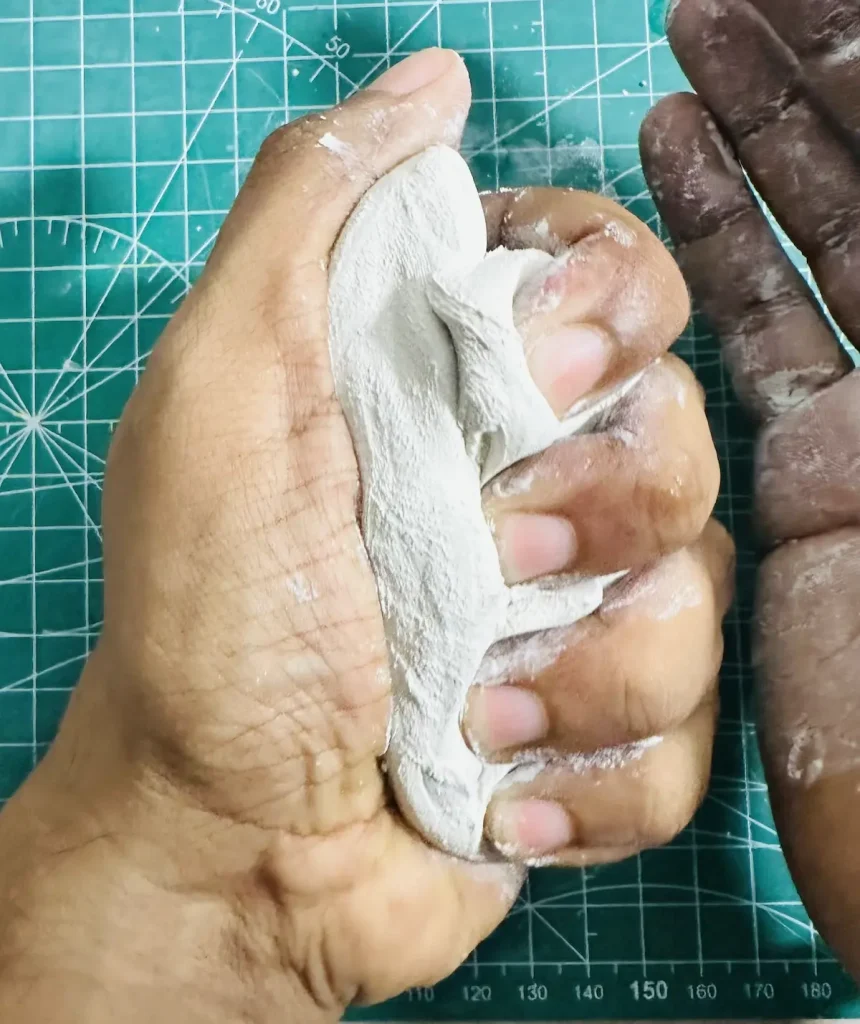
Overworking causes your air dry clay to crumble. Let me tell you how. When you’re kneading or shaping air dry clay for too long, your palm and fingers absorb the moisture of the clay due to the natural heat of your hands. Yes, that’s true.
But this is negligible when you work fast. But when you’re overworking, the moisture of the clay will be lost little by little because your hands draw moisture out of the clay.
Actually, the longer you hold and mess with a single clay piece, the more likely it is to lead to crumbly edges.
Just stop the kneading when you feel the clay is soft enough for shaping. Or add a little bit of extra water on the surface if you really want to keep kneading more.
Not kneading the clay properly
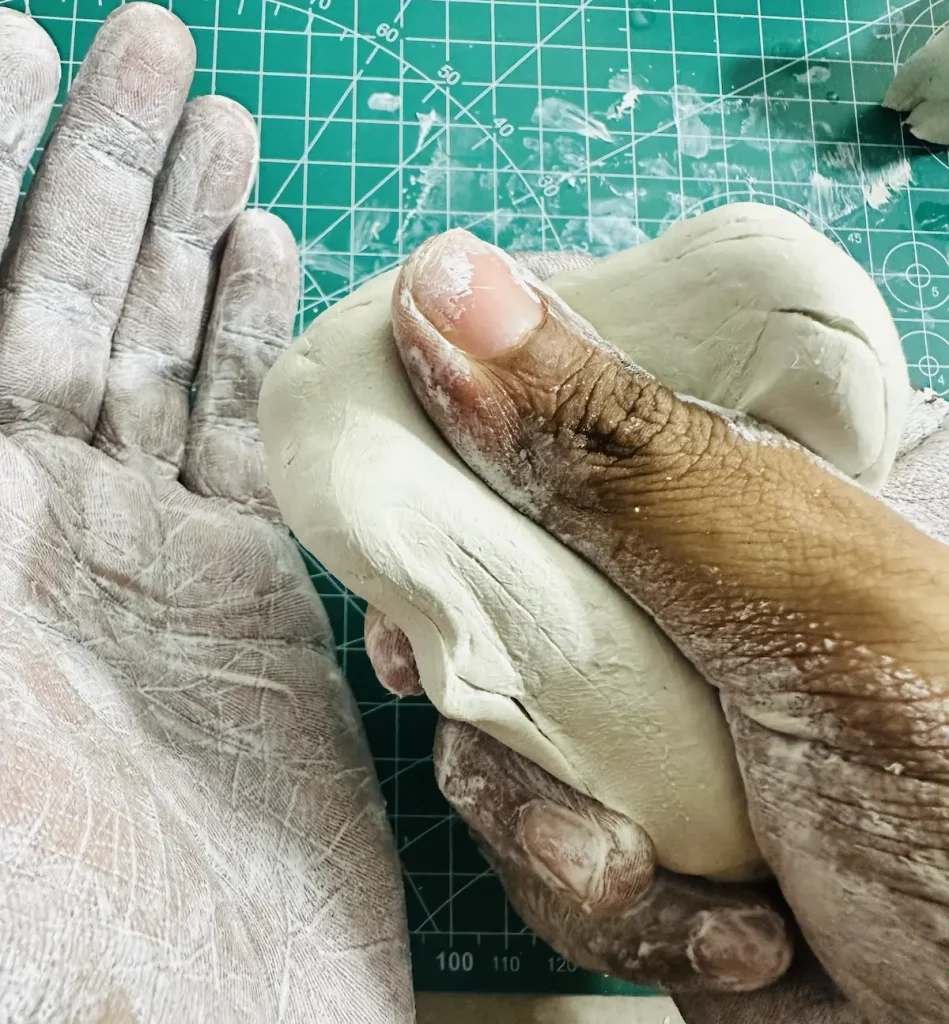
I know this sounds confusing. One time I told you not to knead too long and here I’m telling you to knead the clay well. Actually, both are true. You need to knead the clay until it hits the ideal soft, pliable stage. It’s not hard. Your hands will feel that when kneading.
Kneading helps to spread the moisture evenly across all the layers of air dry clay. So it fixes the areas that lack moisture and prevents them from crumbling.
How to stop air dry clay from crumbling while sculpting
Follow the steps below to keep your air dry clay moist and prevent it from crumbling while making your craft.
Follow the right way of conditioning and kneading the clay
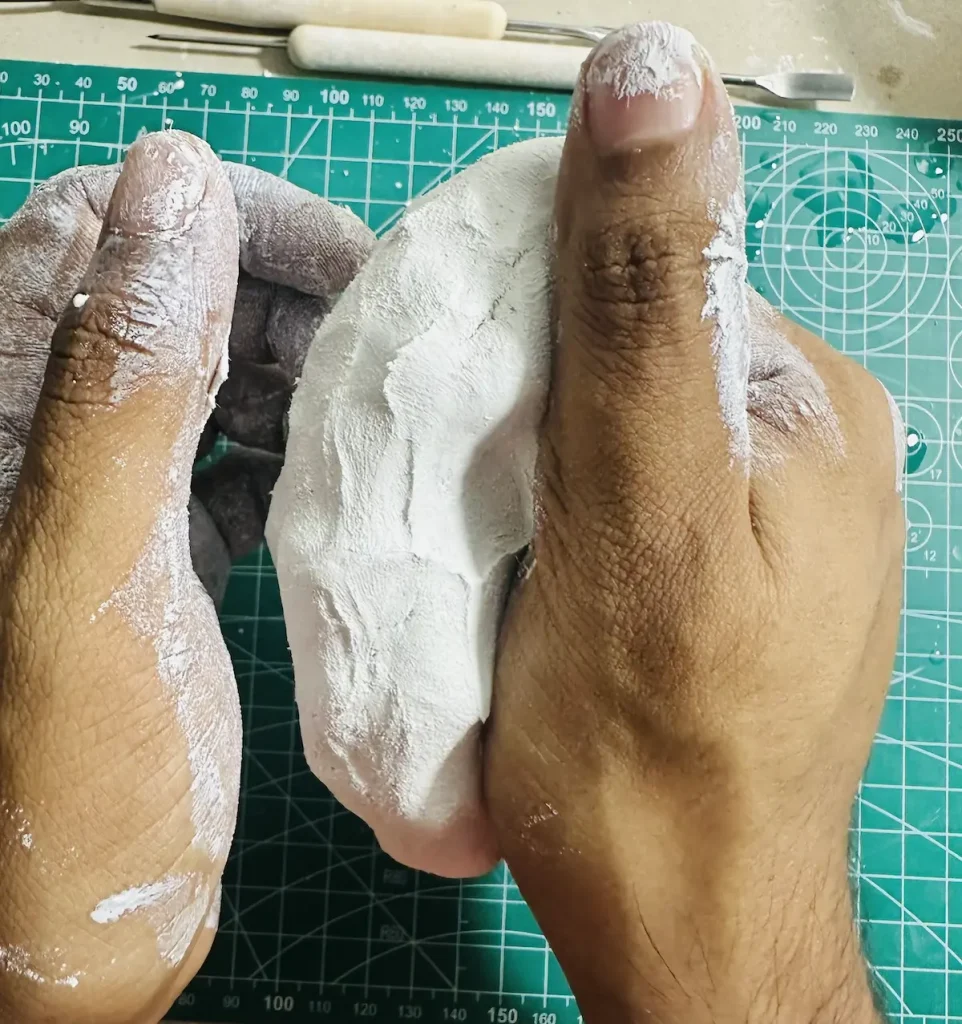
After taking a fresh air dry clay piece or a leftover air dry clay piece or an unused one, condition it first by tapping a little bit of water on the surface.
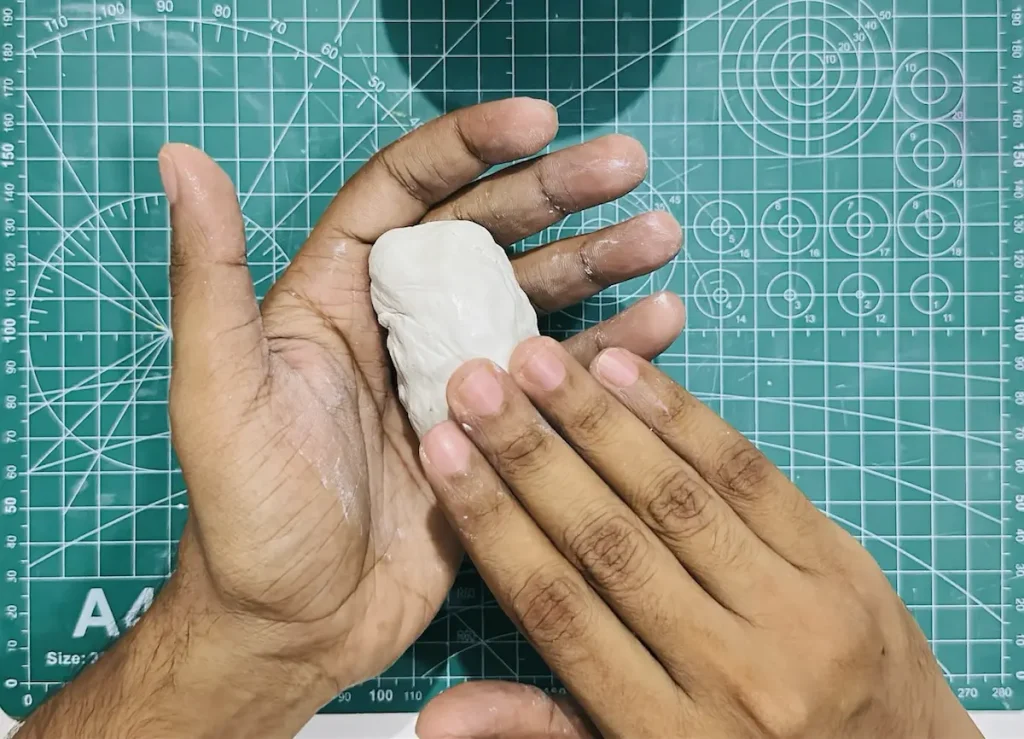
Then start kneading the clay by pulling, pushing, and pressing with force for several minutes like you’re making a pizza dough.
Kneading helps to spread the moisture evenly, release the air bubbles that are trapped inside, warm up the clay binders and increase elasticity before shaping, which helps prevent the clay from crumbling.
Keep kneading, adding a little bit of water until the clay becomes soft and pliable enough for shaping or sculpting.
Don’t let the clay become dry when kneading, which can cause crumbling. Moist it continuously with a little bit of water while kneading, but don’t overdo it. You must stop it and move on to the next step as it becomes soft enough.
Make sure not to add too much water when kneading, which may lead to cracks when drying due to uneven shrinkage.
Use the score and slip method when attaching
You cannot attach two air dry clay pieces just by pressing them together because they crumble as the clay dries.
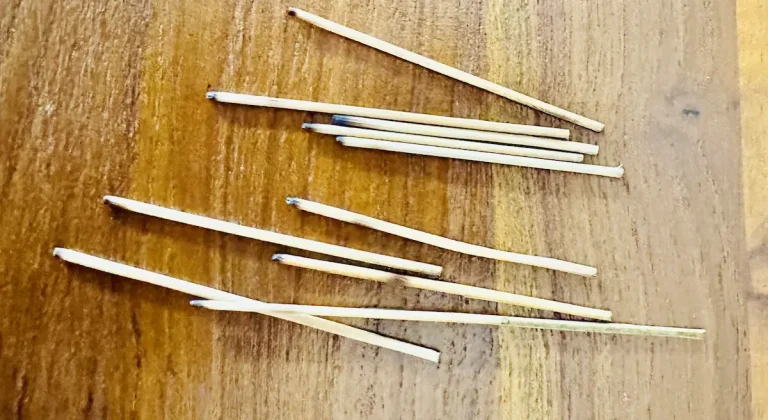
First, you need to score the attaching surfaces using the scoring tool or a toothpick and them apply a clay and water mixture called “slip”.
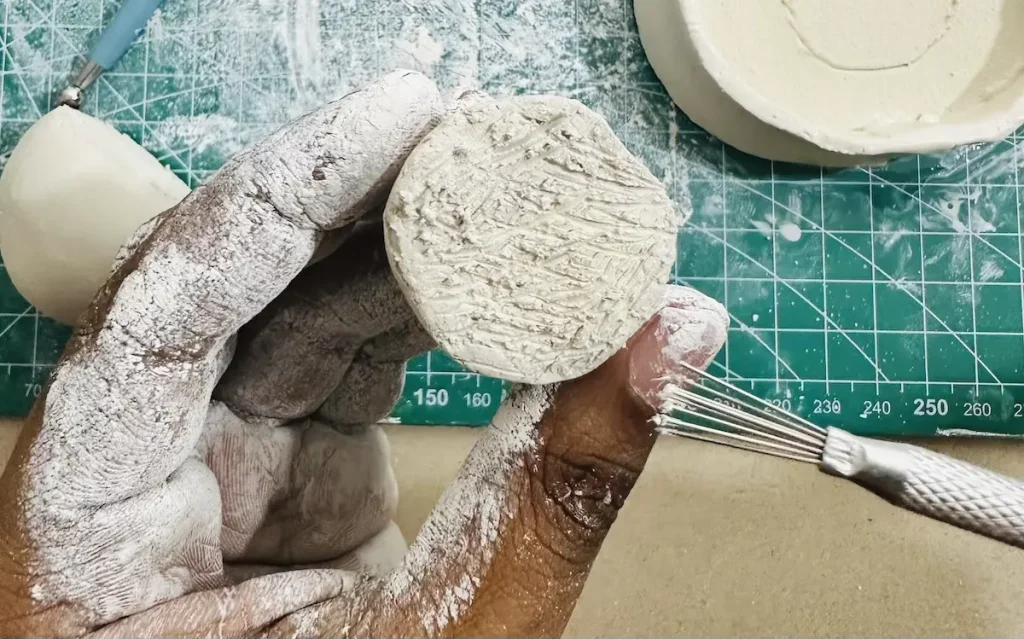
Slip is made by mixing an equal amount of tiny clay pieces with water and letting it set for a few hours. It’s a creamy paste that acts like a cement for air dry clay pieces.
Or you can tap a little bit of water on the scored surfaces before attaching two air dry clay pieces. This is what I do because I don’t have “slip,” and it just works fine. But don’t apply too much water because it weakens the clay.
Keeping your hands and the clay moist
Always keep a cup of water nearby when kneading, shaping and sculpting the clay. Wet your palms, fingers and the clay while working with it to avoid it from losing moisture and breaking into pieces.
But as I told you earlier, excess water may lead the clay to crack when drying. So, always use a little that just enough water to make the clay soft and maintain its elasticity.
How to fix air dry clay that is already crumbly
This is the best way I fix crumbly air dry clay before using it,
- Sprinkle a little bit of water onto the crumbly air dry clay pieces.
- Put it into an airtight bag.
- Seal the bag.
- Place it in an airtight plastic container.
- Let the clay rehydrate overnight.
Make sure not to add too much water to rehydrate the clay because excess moisture may lead to cracks as the clay dries. Sprinkle water using a spray bottle.
Is your clay past its shelf life?
Air dry clay does not last forever even if you use the best storing techniques. Its binders can get weaker and the moisture level becomes lower over a year or two, depending on the climate and packaging.
If you live in a very humid area, the moisture in air dry clay lasts longer because water evaporate higher from air dry clay when the moisture in the air is drastically lower. This means the shelf life of air dry clay in a dry climate is much less than wet climates.
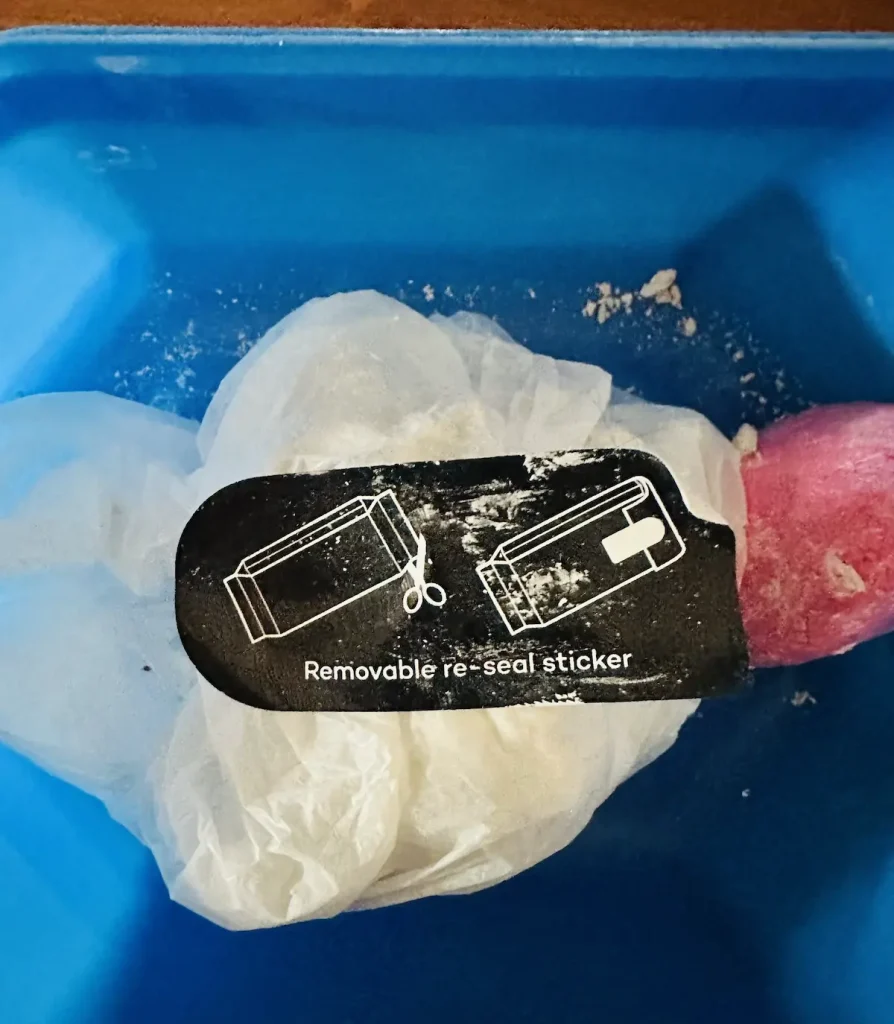
Reputable air dry clay companies use packages that are resealable after you open the package. So after using the necessary clay amount you can wrap the leftover clay with that package and seal by putting it inside a plastic bag and sealing it airtight.
If the clay is bone dry, rock hard and crumbles into tiny pieces or dust when holding even after you try to rehydrate it, it is best to throw it away. Its shelf life is over and cannot be used again.
I had to throw an entire batch of air dry clay because that brand was cheap and it crumbled so much.
Proper storage tips to keep clay fresh
Here’s how you should store leftover, unused air dry clay to prevent it from crumbling,
- Place the clay inside a clean plastic bag and seal it by pressing and blowing air out.
- Wrap the clay using a cling film and seal it by pressing and blowing air out.
- Place the leftover or unused air dry clay in an airtight plastic container or Tupperware-type container and close the lid properly.
- Place the sealed air dry clay package in a cool and dark area. (I place it in a kitchen drawer).
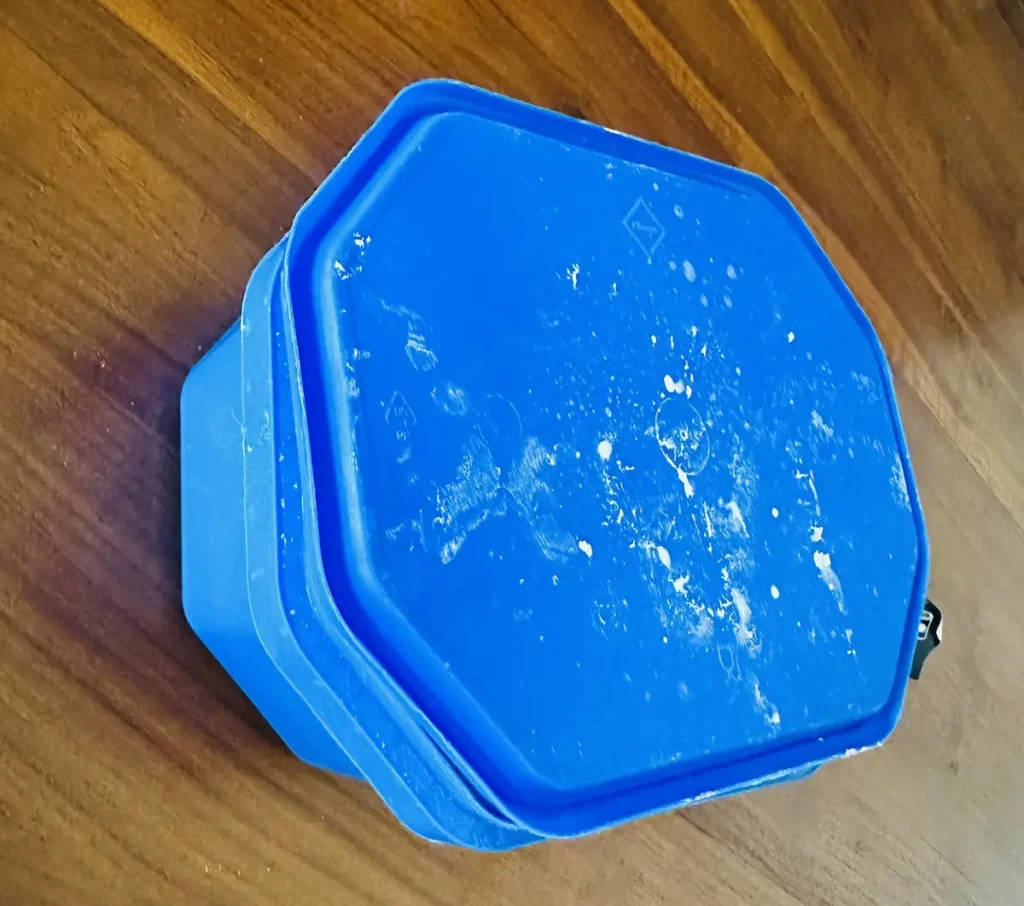
By following the above tips, you can avoid future crumbling of air dry clay.
Final thoughts
Now you know whats the difference between the crumbling and cracking of air dry clay. Generally, in a finished piece, cracking happens first and crumbling happens as a result. Clay cracks as a result of fast drying and it crumbles and comes as pieces when you try to handle it.
As I told cracking mostly happens due to the usage of excess water, while crumbling occurs due to a lack of moisture.
Follow the given tips and techniques to overcome the crumbling of air dry clay to keep the moisture in your air dry clay piece to make a beautiful masterpiece. Cheers! 🤟🏾